A traffic-inspection retrofit should document the acquisition path before replacing its receiver hardware. The frame grabber, trigger source, host computer and processing software must agree on timing and image format. This checklist focuses on that acquisition infrastructure so a change in the receiver does not introduce hidden gaps in a working inspection sequence.
Inventory the current acquisition contract
Record the device interface, active links, transmitted pixel format, image dimensions and expected acquisition rate. Include cable lengths, connector types, power delivery and environmental requirements for the installation. Save the current firmware, software and host configuration as a reproducible baseline.
Identify every external signal that affects acquisition. A vehicle-detection event, encoder or timing controller may trigger imaging, while another signal associates the returned image with a transaction. Write down the source, voltage level, polarity and timing requirement for each connection.
Assign trigger and frame identity explicitly
Decide which component is the timing master and which component owns the acquisition sequence number. The application should detect a missing or incomplete image set instead of silently assigning the next available image to the previous event. Host arrival order alone is not a reliable definition of exposure order.
Use the frame-grabber synchronization checklist to separate trigger timing, exposure timing and host-buffer arrival. Establish the permitted skew and measure the event relevant to the application.
Size the replacement host for the actual workload
Calculate the delivered buffer rate for all active streams. Include unpacking, inference, display and any evidence-recording workload. Inspect the negotiated PCIe generation and lane width after installing all required peripherals. A compatible mechanical slot does not establish the available data rate.
The bandwidth worksheet provides a worked example. Select a frame grabber from its supported interface and sustained host requirements, then validate the complete system under simultaneous acquisition and processing.
Use a staged acceptance test
- Compare known input patterns between the original and replacement acquisition paths.
- Verify frame identity, pixel interpretation and timestamp meaning.
- Exercise expected trigger bursts and record any rejected or missed events.
- Run the real cable arrangement and power configuration with the full host workload.
- Test documented stop/start and recovery procedures, preserving logs of each transition.
Keep a rollback configuration until the replacement meets the agreed criteria. Acceptance should be based on measured image delivery and event association, not merely a live video display.
Prepare a configuration review
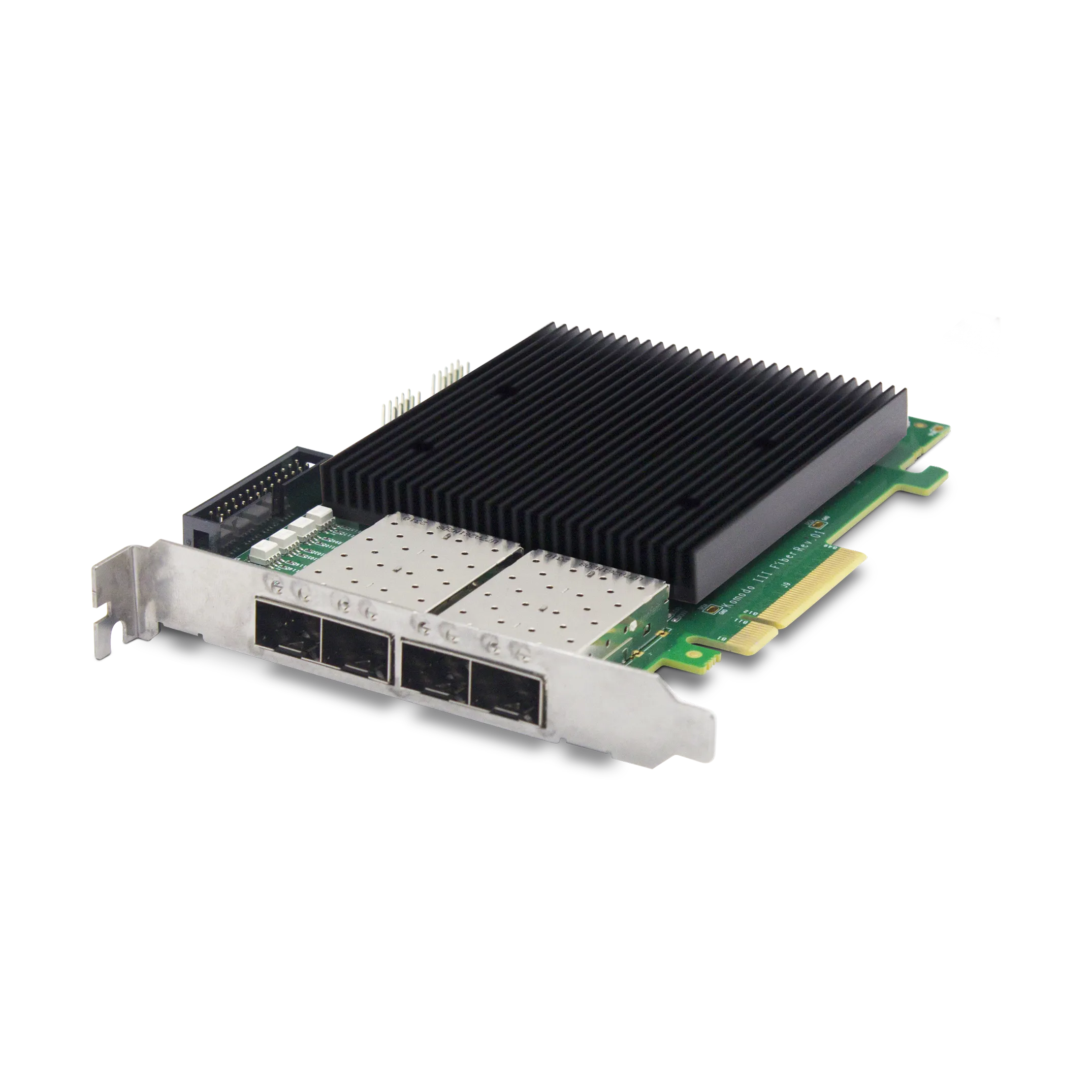
Provide the interface inventory, timing diagram, host details and maximum simultaneous workload when discussing a retrofit. The Komodo III Quad CoaXPress frame grabber is one receiver option to evaluate against those requirements.
Contact KAYA Instruments for acquisition-system selection. For missing images during commissioning, follow the dropped-frame diagnostic sequence. Find related material in the article hub.