A marine perception system needs an acquisition path that can deliver identifiable images to its processing software and report when that delivery fails. Timing, buffering and diagnostics help the application assess the data it receives. Define those acquisition requirements alongside the processing and installation requirements before selecting receiver hardware.
Define what an image must be associated with
Identify the time reference, stream identifier and other records that the application must associate with each image. Specify the meaning and origin of timestamps. A receiver timestamp, exposure event and host arrival time describe different points in the pipeline and should not be treated as interchangeable.
If several imaging streams are used, define the maximum permitted time difference and how the application handles an incomplete set. The synchronization guide provides a method for separating electrical trigger timing from exposure and buffer-delivery timing.
Design for observable acquisition failures
Track expected and received images, incomplete buffers, transport errors and queue occupancy where supported. Include stream and configuration identifiers in diagnostic records. A displayed image can appear normal while intermediate frames are missing, so visual observation alone is insufficient for acceptance.
Establish application behavior when data is unavailable or stale. The acquisition layer should expose the condition clearly; the system designer must determine the appropriate operational response. Do not silently reuse an old image as if it were a fresh observation.
Budget processing and recording together
Size the host data path for the actual pixel layout and simultaneous streams. Include any conversion, GPU transfer and diagnostic recording. Measure queue delay as well as throughput because a large buffer can preserve images while allowing processing latency to grow.
The bandwidth worksheet and GPU memory-path guide support this calculation. Determine the permitted delay from the application requirement rather than choosing a queue size solely to eliminate overflow warnings.
Validate the installed configuration
- Use known patterns to verify image format, ordering and integrity through the complete processing path.
- Exercise simultaneous streams and the intended recording workload.
- Test documented recovery after a controlled acquisition stop or device interruption.
- Measure temperature and performance in the final enclosure and installation arrangement.
- Keep the tested firmware, SDK, host and cable configuration with the results.
Environmental suitability must be established for the installed hardware and enclosure. A component specification alone does not demonstrate salt-fog, vibration or other marine qualification for the assembled system.
Separate acquisition evidence from detection evidence
A successful receiver test establishes image delivery under the tested conditions. Evaluate detection performance with a representative dataset, defined criteria and documented results. Preserve both acquisition and detection evidence so the system assessment can distinguish delivery faults from processing limitations.
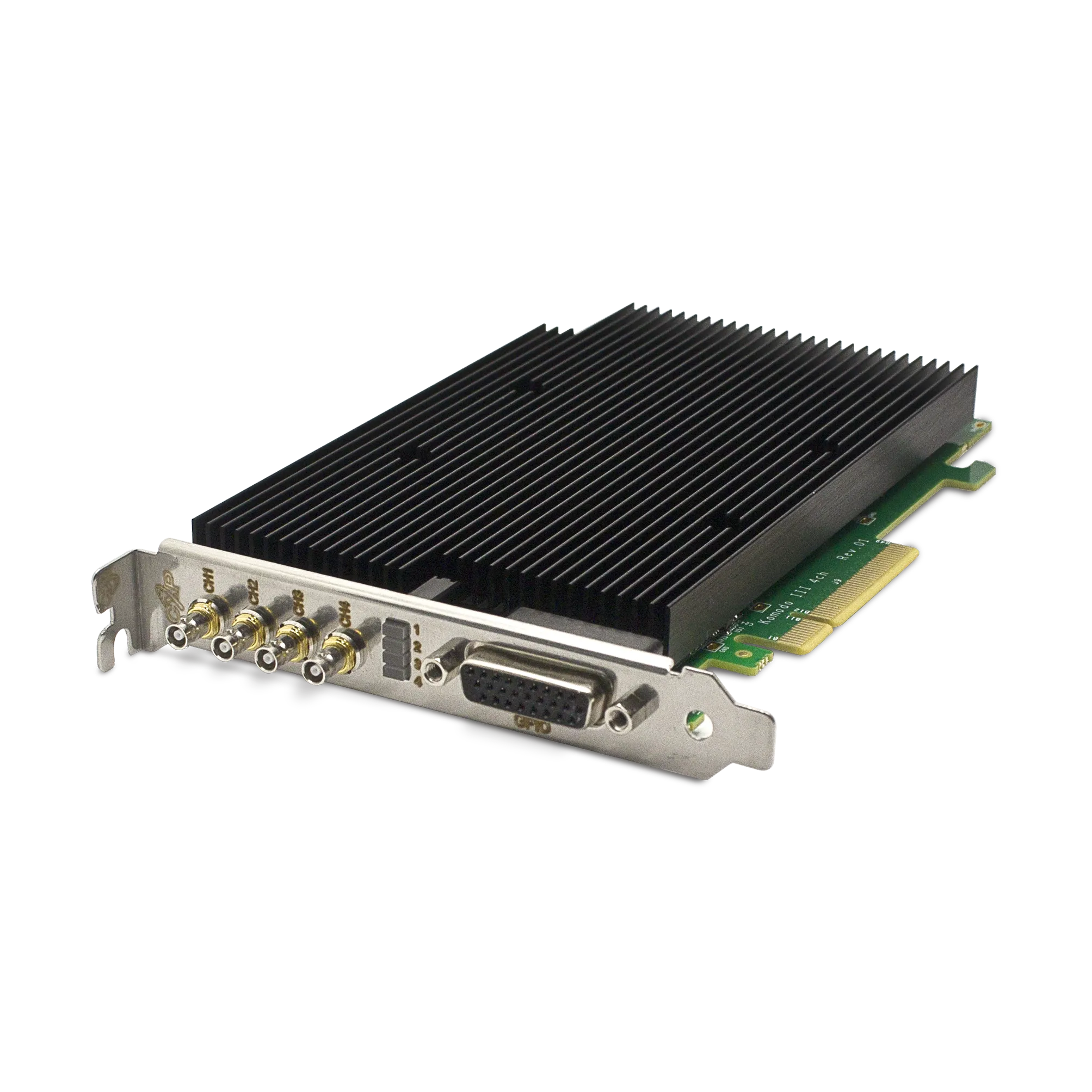
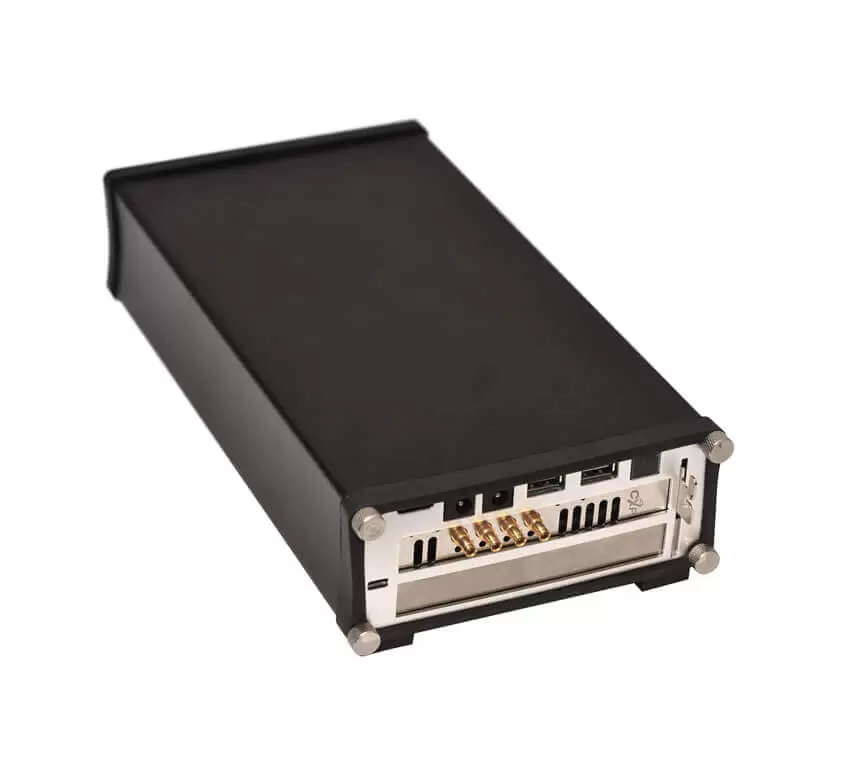
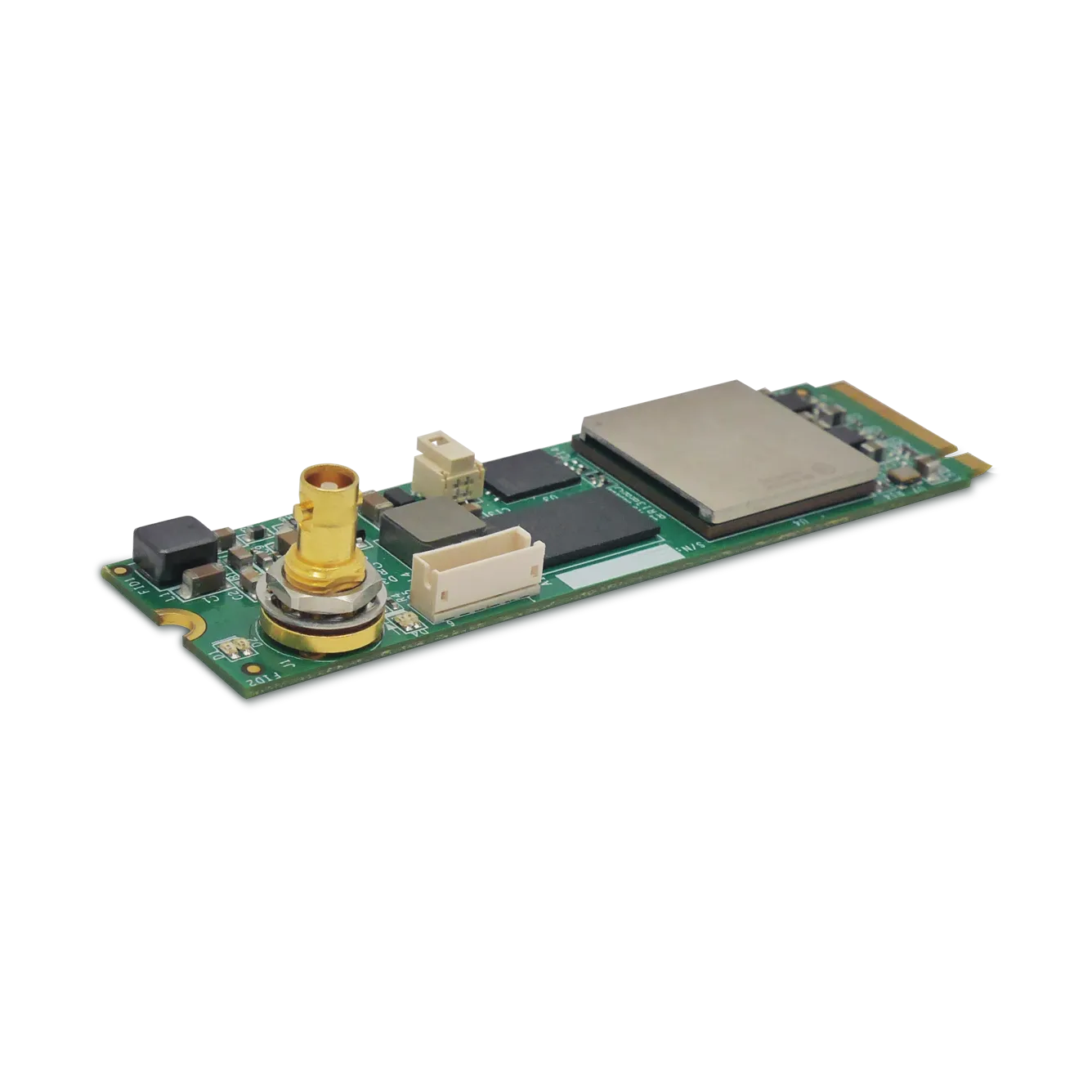
Contact KAYA Instruments with the stream count, timing requirements, host architecture and installation constraints to discuss acquisition hardware. Browse frame-grabber options and the engineering article hub for related technical guidance.